

A Timeline of Disability-Led Violence Prevention in Aotearoa
This timeline honours the decades of dedicated mahi by disabled people, advocates, researchers, and allies who laid the foundations for a future where all people are safe, valued, and supported to thrive. VisAble proudly stands on their shoulders to continue this vital work.
You can read a short (summary) version of the timeline below, or download the full timeline as a PDF:
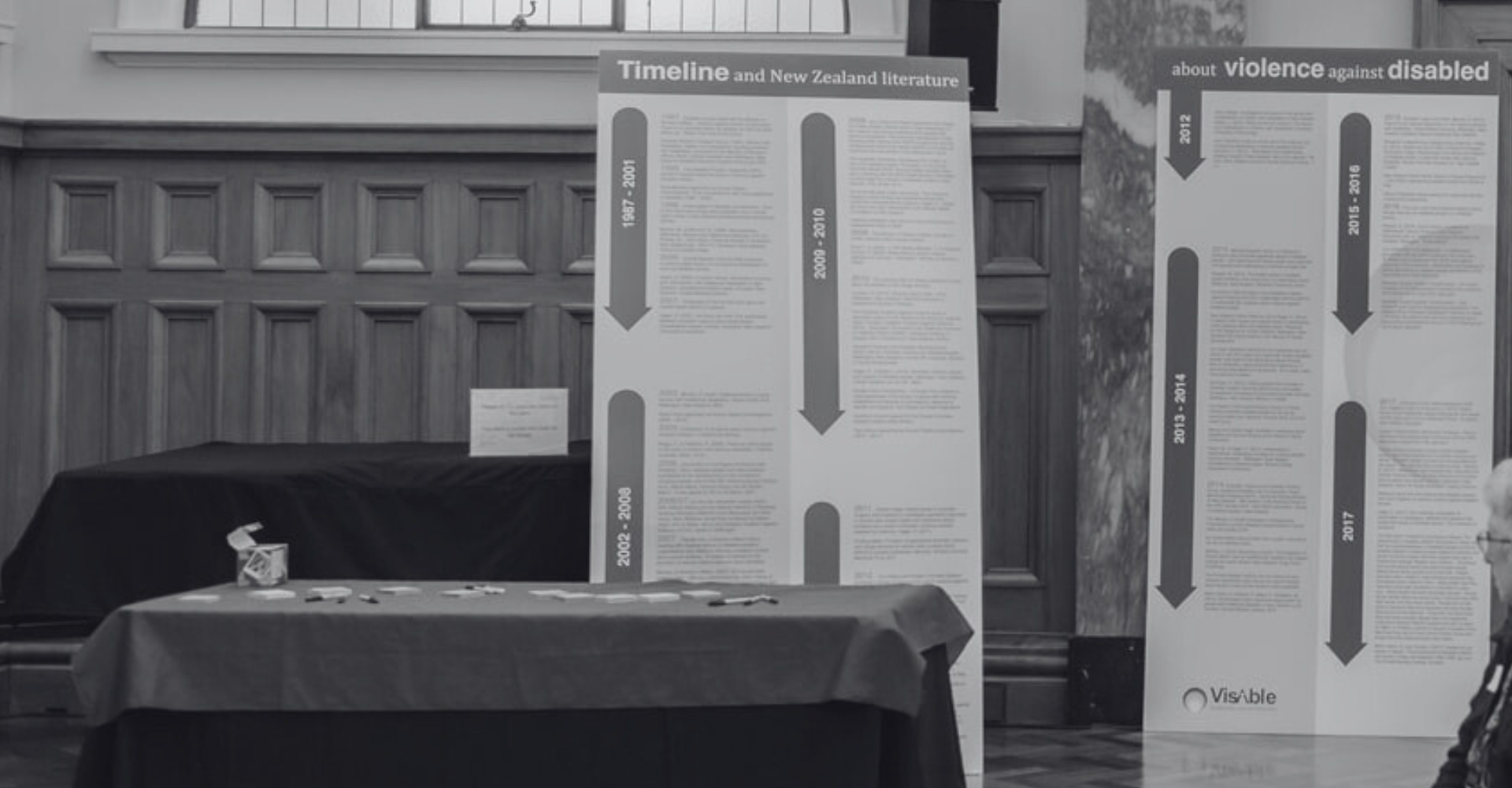
1970–2000: Early Advocacy and Research
There were calls for an enquiry into what was happening in Lake Alice.
Disabled women first raise violence issues with the Ministry of Women’s Affairs.
The Disabled People’s Assembly women’s caucus highlights the violence faced by disabled women.
Groundbreaking work by academics and organisations exposes the risks of sterilisation, abuse, and systemic neglect.
2001 – 2010: Building Evidence and Awareness
Research links domestic violence with mental distress, intellectual disability, and institutional abuse.
The Convention on the Rights of Persons with Disabilities is signed by NZ in 2007.
The Disability Coalition Against Violence and Domestic Violence & Disability Working Group are formed.
Auckland Disability Law is established to uphold legal rights.

2011 – 2015: Community Responses Emerge
People First’s Keeping Safe Feeling Safe (KSFS) programme rolls out across Aotearoa.
The Safeguarding Adults from Abuse (SAFA) model is developed, piloted, and championed.
Reports highlight gaps in services and legal protection for disabled people.
2016 – 2020: System Change and Collective Action
SAFA is piloted in Waitematā, in partnership with Police and Te Whatu Ora.
The Human Rights Commission begins focused work on violence and disability.
The Personal Advocacy Trust (PAT) becomes the Personal Advocacy and Safeguarding Adults Trust (PASAT).
The Adult Safeguarding Alliance is formed, led by the disability community.
Sir Robert Martin is knighted for his lifelong advocacy.

[image from 1news.co.nz]
2021 – 2023: Recognition and Strategy
Te Puna Aonui (now the Centre for Family Violence and Sexual Violence Prevention) funds a violence prevention framework led by and for tāngata whaikaha Māori and disabled communities.
The Human Rights Commission publishes two major reports calling for urgent action.
Family Violence Death Review Committee begins reporting on disabled victims.
Whaikaha leads a national safeguarding framework redesign.
2024: Royal Commission findings released
The findings of the Royal Commission of Inquiry into Historical Abuse in State Care and in the Care of Faith-based Institutions are released.
The Royal Commission of Inquiry had lasted for more than five years.
The report concludes that between 113,000 and 253,000 children, young people and adults had been abused and neglected at state and faith-based institutions in New Zealand between 1950 and 1999.
2024: VisAble is Launched
VisAble is formed by the contribution and dedication of many individuals. It’s the first disabled people-led organisation in Aotearoa, which is focused on preventing and responding to violence and abuse against tāngata whaikaha Māori, d/Deaf, disabled people, and Adults at Risk.
VisAble leads the Disability Abuse Prevention and Response (DAPAR) prototype and works alongside communities, agencies, and government to transform the response system.
The movement to prevent and respond to violence against disabled people in Aotearoa spans decades, shaped by lived experience, tireless advocacy, and community-led action. We mihi to all those who forged the pathway forward.
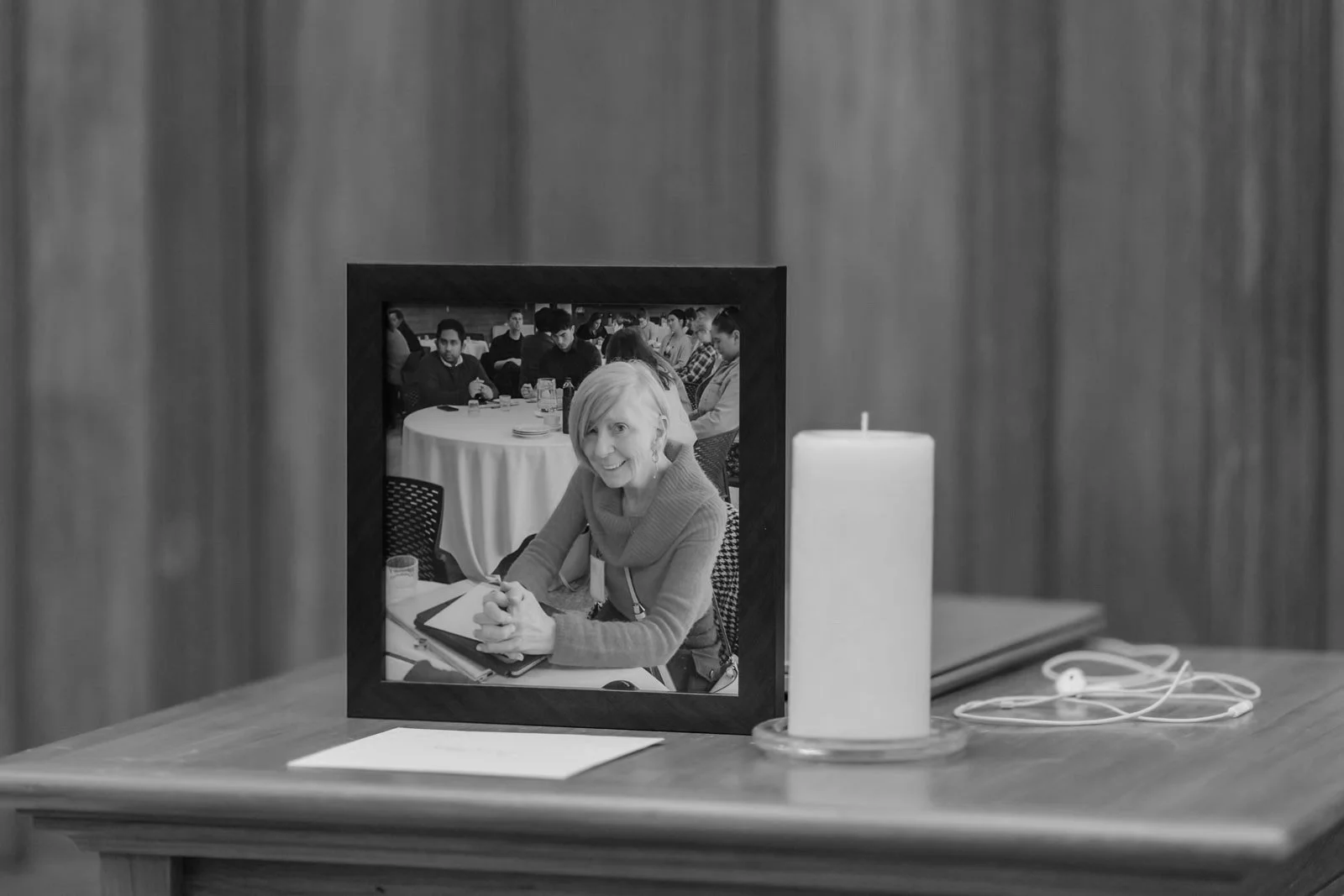
VisAble acknowledges Sir Robert Martin and Dr Pauline Boyles and the commitment and drive they each brought to this mahi.
Sir Robert died in April 2024. Dr Boyles died in October 2024.

Ka mua, ka muri
I walk backwards into the future so that my past may inform what lies ahead.