

Inclusiveness: actions and considerations
SAFEGUARDING FOUNDATIONS
Accessibility and inclusiveness are core principles in effective safeguarding / whakahaumarutia.
They work together to reduce harm, increase trust, and uphold dignity for disabled people engaging with your services.
They enable better outcomes.
This section focuses on inclusiveness, and what this means for you, as a service provider.
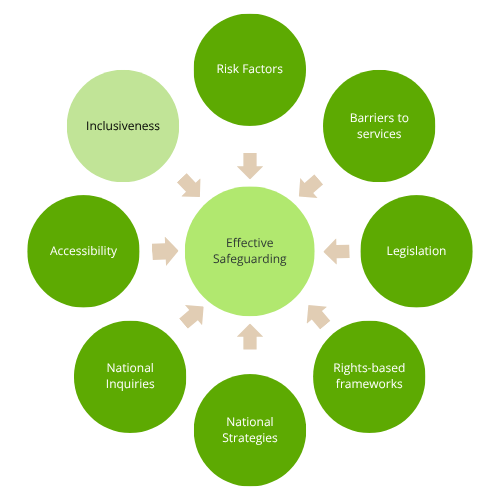
Accessibility and Inclusiveness: Guidance for Safeguarding Providers in Aotearoa New Zealand
How Accessibility and Inclusiveness differ (and connect)
Accessibility focuses on removing barriers to accessing buildings, services, information and systems.
Inclusiveness focuses on people’s experience, ensuring they feel valued, respected and encouraged to engage and participate.
A service can be accessible without being inclusive, so both are required.

Inclusiveness goes beyond removing barriers.
It’s about developing and providing services
that make people feel like they’re valued and they belong.
What does that mean in practice for safeguarding providers in Aotearoa New Zealand?
What is inclusiveness?
Inclusiveness means actively creating an environment where disabled people are:
welcomed
respected
listened to
valued
able to participate equally.

The dos and don’ts of disability
26-year-old Michelle Middleton takes a humorous look at people's reactions to her cerebral palsy. With the help of Fixers UK, Michelle has created this video to encourage others not to treat her, or anyone else with a disability, differently.
Produced by Fixers, UK, 2016.
What safeguarding providers can do to enable inclusiveness:
For your action
Being familiar with these risk factors helps to enable effective interventions and safety outcomes to be achieved and sustained.
Consider how you can enable or improve inclusiveness at your place.
Read the suggestions below.
Create an action plan and track your progress and achievements
-
Policies alone are not enough. People and culture matter:
train your staff (kaimahi) in disability awareness and respectful communication
address unconscious bias (i.e. unconscious assumptions or attitudes that affect how people treat disabled people)
remove processes that might exclude people
create an environment where disabled people feel safe to speak up.
Inclusiveness must be developed as part of your organisation’s competencies (i.e. developed into your staff’s knowledge, attitudes, skills, practices).
Help make inclusiveness visible in behaviours and the culture of your organisation, not just written in policy and procedures.
-
Recognise different types of disability, including physical, sensory, intellectual, neurodiverse, and mental-health related.
Recognise cultural identity, including Māori perspectives and tāngata whaikaha:
Ensure services are both disability-inclusive and culturally safe for Māori, including:
whānau involvement in decisions
respect for tikanga and Māori perspectives on wellbeing
partnering with Māori organisations.
Follow the principles of Te Tiriti o Waitangi: partnership, participation and protection.
Listening to and working alongside tāngata whaikaha Māori and their whānau helps ensure services are safe, respectful, and effective.
Resources are available to assist.
See VINE – Violence Information Aotearoa, and especially Ko Whānui Māori portal and Allyship in action: frameworks for trans and gender diverse inclusion in prevention of gender-based violence initiatives (2026).
-
Make sure disabled people are involved in co-design.
This means, they’re involved in shaping how services are designed and delivered
You’re actively listening to and actioning their insights, ideas and experiences.
-
Accessibility and inclusion require ongoing attention. The goal is to achieve equitable outcomes, not minimum compliance. That means disabled people should be able to access and benefit from services to the same extent as everyone else.
To help you achieve this, providers should:
listen to your customers’ experiences and seek feedback regularly
set measurable improvement goals (for example, time-framed objectives for providing or improving accessible communication or digital content)
track the participation of and outcomes for disabled people, at your place – and assess these against the outcomes achieved for non-disabled people
enable and ensure equitable outcomes for tāngata whaikaha Māori
review and action the complaints and barriers that people report
report progress openly and use the information to improve your services.
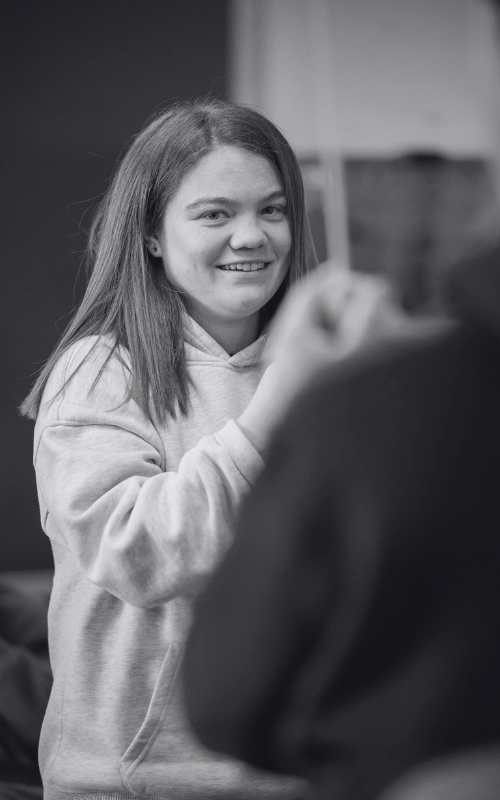
Accessible and inclusive ways of working will enable participation
and improve outcomes for disabled people.